
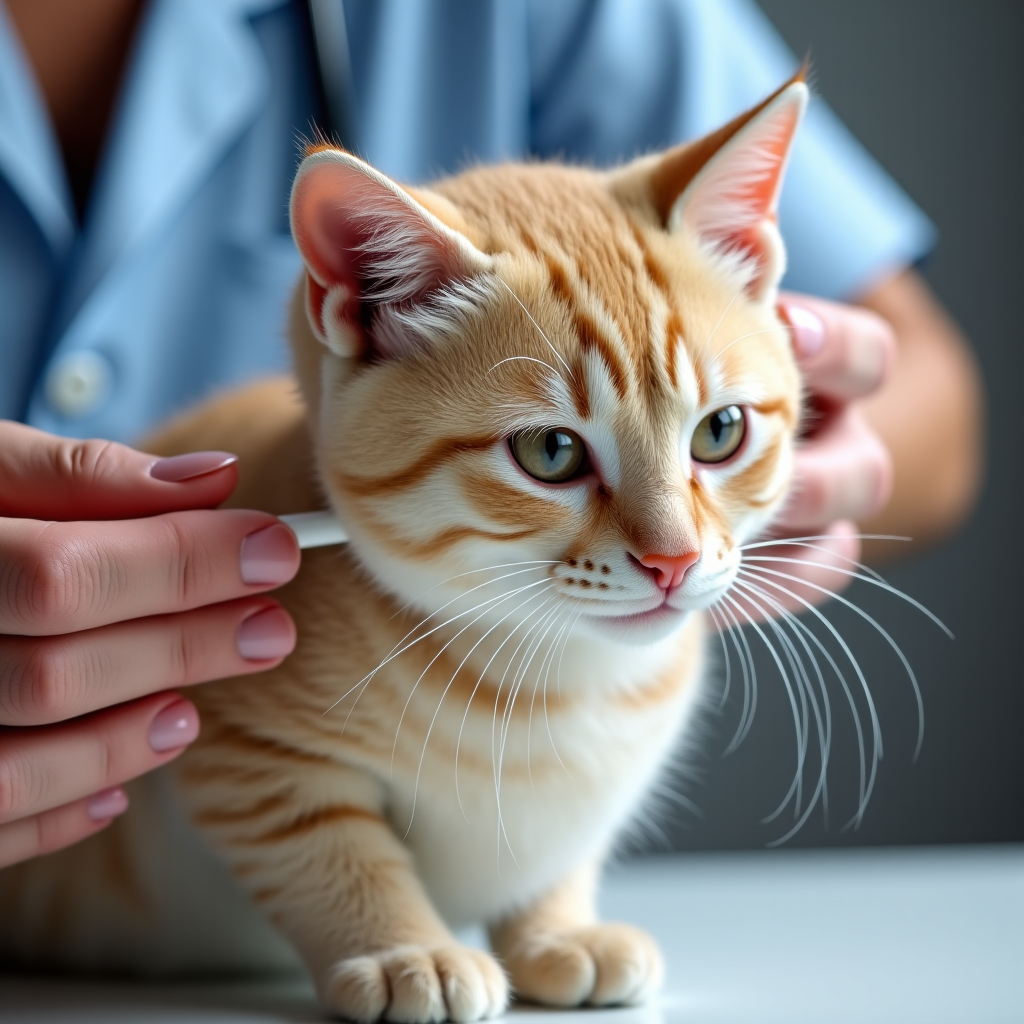
Feline Infectious Peritonitis (FIP) is a serious and often misunderstood disease that affects cats—especially young kittens and shelter cats. Once considered fatal, recent medical advancements now offer hope through effective treatment options.
FIP is caused by a mutation of the feline coronavirus (FCoV), which is usually harmless in its original form. In some cats, the virus mutates into a more aggressive strain, leading to FIP. It primarily affects the immune system and organs, causing widespread inflammation.
FIP is not contagious in its mutated form, but the original coronavirus can spread between cats, especially in multi-cat households or shelters.
There are two main forms of FIP:
This form is characterized by a buildup of fluid in the abdomen or chest. Symptoms may include:
Swollen belly (ascites)
Difficulty breathing
Fever
Lethargy and weight loss
This type affects various organs like the eyes, brain, and liver. Common signs:
Neurological issues (seizures, wobbling)
Eye inflammation
Jaundice
Poor appetite and weight loss
Until recently, FIP was considered untreatable. However, a breakthrough antiviral medicine, GS-441524, has changed the outcome for many cats. While not officially licensed in some countries, it's widely used under veterinary supervision.
It inhibits virus replication, allowing the cat’s immune system to recover. Treatment typically lasts 84 days, with daily injections or oral tablets, depending on the case.
Antibiotics (if secondary infection is present)
Liver or kidney support medicines
Appetite stimulants
Immune boosters
Always consult a licensed veterinarian before starting any treatment.
Caring for a cat undergoing FIP treatment requires time, patience, and compassion:
Separate from other cats: While FIP itself isn’t contagious, the underlying feline coronavirus is. Keep the sick cat in a quiet, stress-free area.
Daily monitoring: Track weight, appetite, temperature, and activity levels.
Clean environment: Sanitize food bowls, litter boxes, and bedding.
Nutritional support: Provide highly digestible, nutrient-rich food (both wet and dry options).
Regular vet checkups: Blood tests and physical evaluations every 2–4 weeks help assess progress.
FIP is no longer a death sentence. With early diagnosis, proper veterinary care, and the right medication, many cats now recover and live healthy, fulfilling lives.
At Paws & Beyond BD, we offer a wide range of supportive medicines for FIP treatment—including immune boosters, liver and kidney support, and nutritional supplements.
🛒 You can purchase these products with a valid veterinary prescription to ensure safe and effective use.
📍 Visit For Pets Care Veterinary Clinic for diagnosis and treatment
📍 Buy FIP-supportive products from Paws & Beyond BD – trusted by pet parents across the country
Let us help your cat fight back. 💛
#FIPRecovery #ForPetsCare #PawsAndBeyondBD #CatHealth