
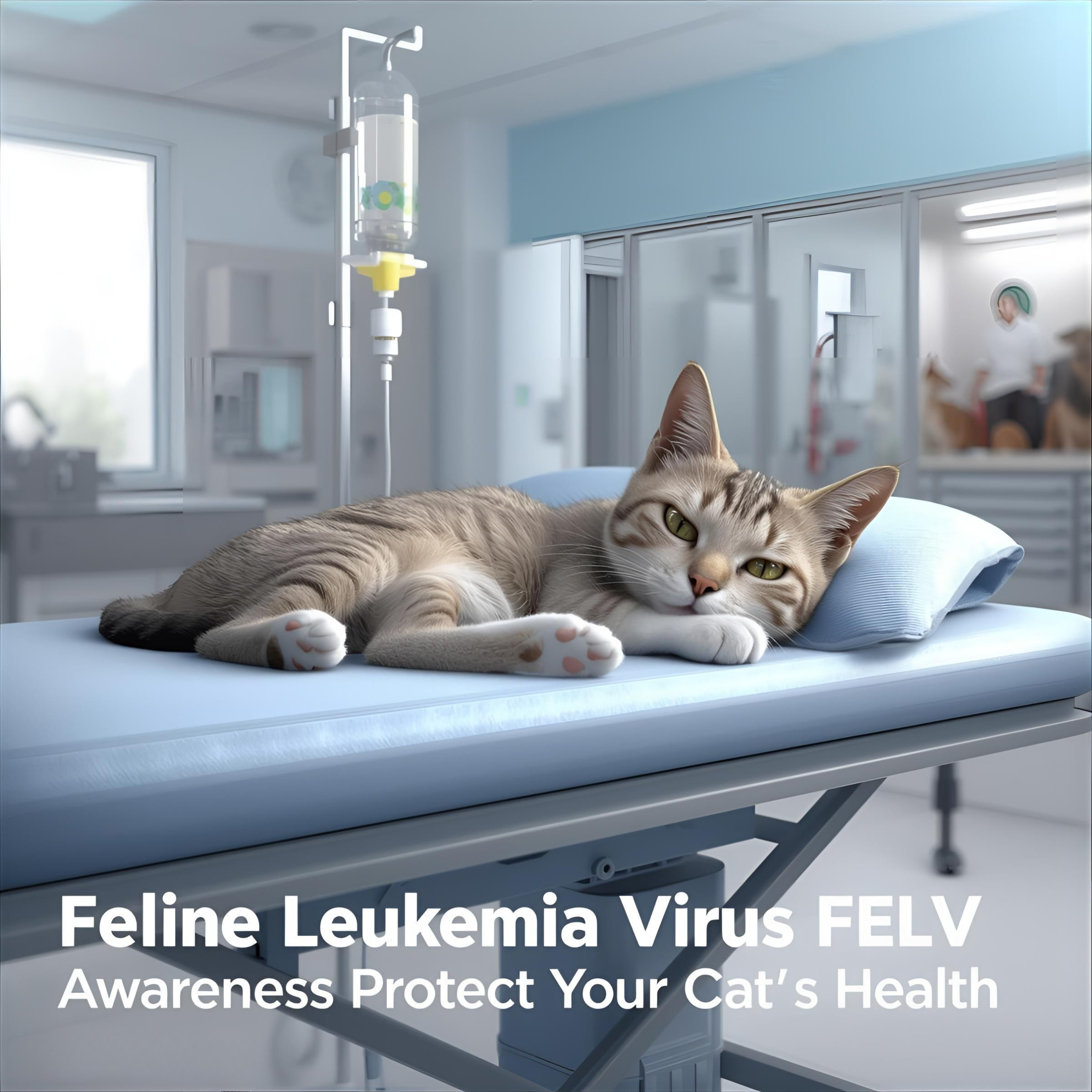
Cats bring endless joy, comfort, and companionship to our lives. As responsible pet parents, it’s important to stay informed about the health risks they may face. One such serious condition is Feline Leukemia Virus (FeLV) — a contagious viral disease that affects cats worldwide.
In this blog, we’ll explore what FeLV is, how it spreads, its symptoms, treatment options, and how you can protect your beloved feline friend.
What is Feline Leukemia Virus (FeLV)?
Feline Leukemia Virus (FeLV) is a retrovirus that weakens a cat’s immune system, making them more vulnerable to infections, anemia, and even cancer. Despite its name, FeLV is not the same as human leukemia, and it cannot spread to humans or other animals like dogs. It only affects cats.
How Does FeLV Spread?
FeLV is highly contagious among cats, especially in close-contact environments. The virus is mainly transmitted through:
Outdoor cats and cats living in multi-cat households are at higher risk of exposure.
Signs and Symptoms of FeLV
Many cats infected with FeLV may not show symptoms in the early stages. However, as the disease progresses, common signs include:
Because these symptoms can mimic other illnesses, regular veterinary check-ups are crucial for early detection.
Diagnosis of FeLV
Veterinarians usually diagnose FeLV using blood tests, such as the ELISA test, which detects viral proteins in the blood. A confirmatory test (IFA test) may also be recommended. Early diagnosis helps in managing the disease and protecting other cats.
Is There a Cure for FeLV?
Unfortunately, there is no cure for FeLV. However, supportive care and management can help improve quality of life and extend survival. Treatments may include:
Many cats with FeLV can live for several years with proper care, though the prognosis depends on the stage of infection.
Preventing FeLV
Prevention is the best way to protect your cat from this virus. Here’s how you can reduce the risk:
Final Thoughts
Feline Leukemia Virus is a serious threat to cats, but with awareness, preventive care, and responsible pet ownership, it can be managed effectively. Regular vet visits, vaccination, and a safe environment will give your feline friend the best chance at a healthy, happy life.
If you suspect your cat may have been exposed to FeLV, consult your veterinarian immediately for testing and guidance.